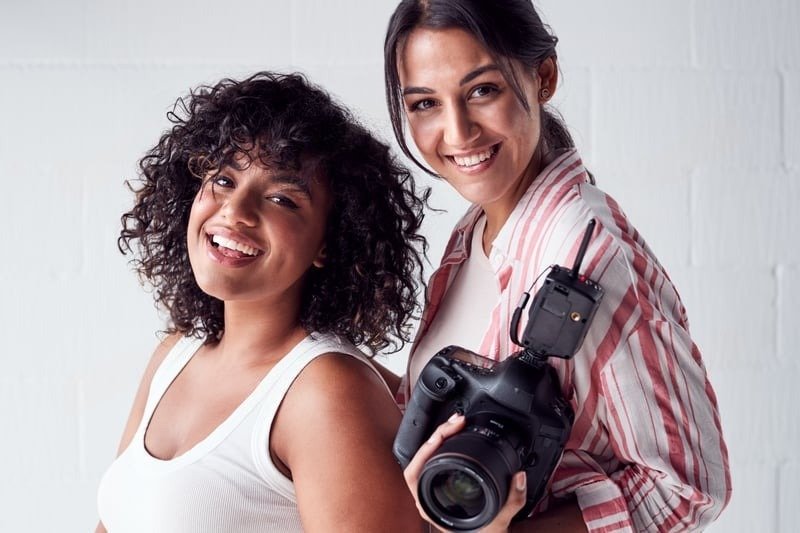
Professional female photographers in Karachi deliver quality at fair market rates
The myth persists across Karachi that hiring professional female photographers means paying specialty premiums simply for female-specific access. This misconception costs clients money while limiting their options unnecessarily.
Here’s the reality: professionalism in photography has nothing to do with gender and everything to do with technical skill, equipment quality, business practices, and consistent results. Female photographers who operate professionally deliver the same technical excellence as their male counterparts, often at comparable or even better rates because they understand the value of transparent pricing in building long-term client relationships.
This guide breaks down what “professional” actually means when evaluating female photographers, how to verify credentials and technical capabilities, and where to find genuinely qualified professionals at honest prices. Whether you need wedding photography with cultural access to women-only ceremonies or simply prefer working with female professionals, you shouldn’t pay inflated rates for that preference.
Understanding what separates professional photographers in Karachi from amateur options starts with knowing the right questions to ask and the right credentials to verify.
What makes female photographers genuinely professional
The term “professional” gets thrown around loosely in Karachi’s photography market, but specific indicators separate true professionals from enthusiasts with nice cameras.
Technical skill verification starts with portfolio analysis. Can they handle harsh midday sun at outdoor venues? Do their indoor shots show proper exposure without blown highlights or crushed shadows? Is their color grading consistent across different lighting conditions? These technical markers reveal capability regardless of the photographer’s gender.
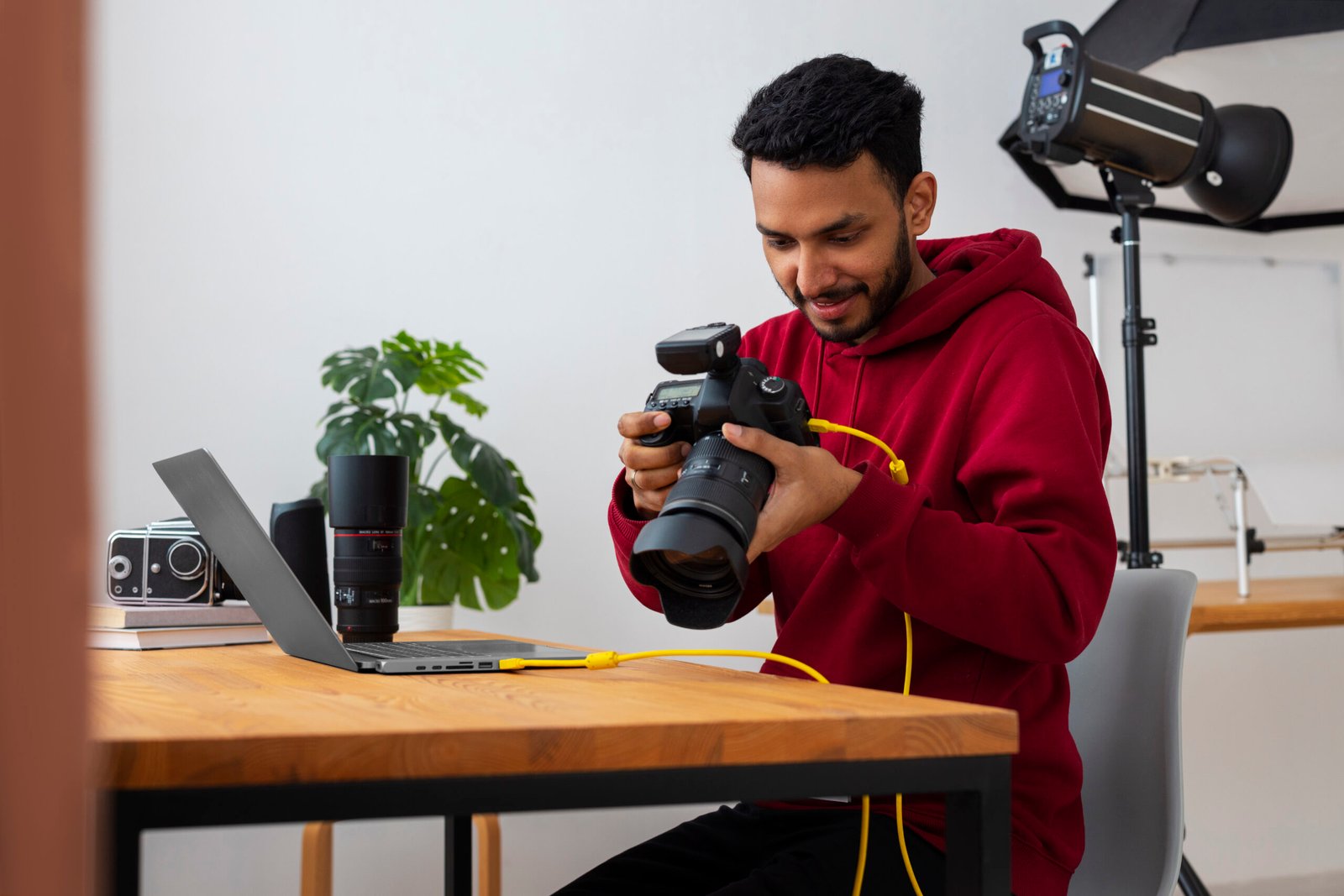
Equipment standards matter for reliability. Professional female photographers use full-frame cameras with professional-grade lenses, maintain backup camera bodies for every shoot, and carry lighting equipment that adapts to any venue challenge. Ask about their gear specifically—professionals discuss equipment confidently and explain their backup systems without hesitation.
Business practices indicate professionalism as clearly as technical skills. Do they provide written contracts specifying deliverables, timelines, and usage rights? Are they registered businesses with proper insurance coverage? Can they produce client references from the past six months? These aren’t optional extras—they’re fundamental requirements for professional operation.
Portfolio consistency across different client types and venue conditions demonstrates reliable capability. Anyone can get lucky with a few great shots. Professionals maintain quality whether they’re shooting in a luxury hotel ballroom or a modest function hall, during golden hour or harsh noon light. These standards apply equally regardless of gender in professional photography services.
Years of experience and volume of completed work matter more than formal education. A photographer with five years of active work and 100+ events delivers more reliable results than someone with photography degrees but limited real-world experience. Verify their work volume and ask how many events they shoot annually.
Why clients in Karachi seek professional female photographers
The preference for female photographers in Karachi stems from legitimate cultural, religious, and practical considerations that have nothing to do with specialty services or premium pricing.
Cultural comfort during women-only ceremonies makes female photographers essential rather than optional. Mehndi functions, mayun ceremonies, and bridal preparation sessions often exclude male guests entirely. Having a professional female photographer means these intimate moments receive proper documentation rather than relying on amateur phone photos from relatives.
Religious considerations and modesty preferences in conservative households make female photographers the only viable option for some families. This isn’t about paying extra for specialized service—it’s about basic access to photography services that respect family values. Professional female photographers understand this context without treating it as justification for price premiums.
Access to restricted spaces where male photographers cannot enter creates situations where gender genuinely matters. Bridal getting-ready coverage, women’s corporate events, and ladies-only gatherings require female coverage. But this access requirement doesn’t justify charging more than market rates for equivalent professional service.
Better communication and understanding for female-centric styling and posing flows naturally during sessions with female photographers. Many clients find it easier to discuss concerns about angles, outfit adjustments, or how they want to be photographed when working with another woman. This comfort translates to better results but shouldn’t translate to higher prices.
Privacy concerns during maternity, newborn, and personal portrait sessions make some families prefer female photographers for deeply personal reasons. Professional photographers respect these preferences while maintaining standard market pricing. Wedding photography contexts where female coverage matters most include the intimate moments that define memorable wedding documentation.
Honest pricing vs. specialty premiums for female photographers
Market rate analysis across Karachi reveals that truly professional female photographers charge comparable rates to male photographers of equivalent experience and capability. When you encounter significant price differences, examine what justifies them.
Female-specific access sometimes justifies modest pricing adjustments when coverage requires exclusive female presence. A women-only corporate conference where male photographers face absolute restrictions might reasonably include a small premium because the client pool is limited. But this situation differs dramatically from standard mixed-access events.
Standard events with mixed access should never carry gender-based pricing premiums. Weddings, family portraits, corporate functions, and commercial shoots where both male and female photographers can operate freely should be priced based on experience, equipment, deliverables, and time—not on whether the photographer happens to be female.
Red flags indicating unjustified specialty pricing include vague explanations about “female photographer premium,” prices significantly above market rates without corresponding experience or equipment differences, or inability to explain what the additional cost covers specifically. Transparent photographer costs in Karachi show clear correlation between experience, equipment, deliverables, and pricing regardless of photographer gender.
Honest pricing structures itemize exactly what clients receive: hours of coverage, number of edited images, delivery timeline, included prints or albums, and any travel charges. Professional photographers present this information upfront without hiding fees in fine print or surprising clients with charges after booking.
Verifying technical credentials of female photographers
Technical capability verification protects clients from booking photographers whose marketing exceeds their actual skill level. Apply these evaluation methods equally to all photographers in Karachi regardless of gender.
Portfolio deep-dives reveal more than surface-level aesthetic appeal. Look for technical indicators like sharp focus across the entire frame, proper exposure in challenging lighting, accurate skin tones and color rendering, and consistent editing style. Request complete galleries from recent events rather than just highlight reels showing only their best twenty shots.
Lighting mastery shows in how photographers handle difficult conditions. Can they properly expose subjects against bright windows? Do their outdoor afternoon shots show harsh shadows or well-managed light? Are their indoor venue shots properly lit without weird color casts from mixed lighting? These technical challenges separate professionals from amateurs.
Equipment verification goes beyond just asking what cameras they use. Request specifics about their backup systems, lens collection, lighting equipment, and redundancy plans. Professional female photographers discuss their technical setup confidently because they’ve invested in proper tools and backup systems. Understanding wedding couple poses requires both technical capability and interpersonal skills that female photographers often navigate naturally.
Behind-the-scenes content on social media reveals actual working methods. Do they show professional lighting setups? Can you see backup cameras and organized equipment? Does their workflow look professional or haphazard? Process videos and setup photos provide insight into their actual technical approach.
Client galleries showing full event coverage from start to finish demonstrate consistency better than curated portfolios. Ask to see every photo delivered to a recent client, not just the twenty they selected for Instagram. This reveals whether they maintain quality throughout an entire event or just capture a handful of great moments. Examples of technical excellence in established photographer portfolios show what consistent professional quality looks like across diverse situations.
Professional photographers vs. hobbyists: spotting the difference
The line between professional and hobbyist blurs in Karachi’s photography market where anyone with a decent camera can claim professional status. These indicators separate legitimate professionals from weekend enthusiasts.
Business registration and legal protection matter for client security. Professional photographers operate as registered businesses with proper documentation, tax compliance, and legal structure. This protects clients through formal contracts and recourse if problems arise. Hobbyists often operate informally without business structure or legal accountability.
Professional insurance coverage protects both photographer and client. Equipment insurance ensures they can continue working if gear fails. Liability insurance protects clients if accidents occur during shoots. Ask directly about insurance coverage—professionals carry it, hobbyists usually don’t.
Contract clarity distinguishes professional operations immediately. Detailed written contracts specify exactly what clients receive: hours of coverage, number of edited images, delivery timeline, usage rights, cancellation policies, and payment schedules. Vague verbal agreements or simple one-page forms signal amateur operations.
Backup equipment and contingency plans demonstrate professional preparation. What happens if their primary camera fails mid-event? Do they have backup bodies, extra batteries, redundant memory cards? Can they call another photographer to cover if they face emergencies? Professionals plan for worst-case scenarios because they understand the stakes.
Wedding photography: where professional female photographers excel
Wedding photography represents the most common context where clients specifically seek professional female photographers, and for good reason. The combination of cultural access needs and technical complexity demands true professional capability.
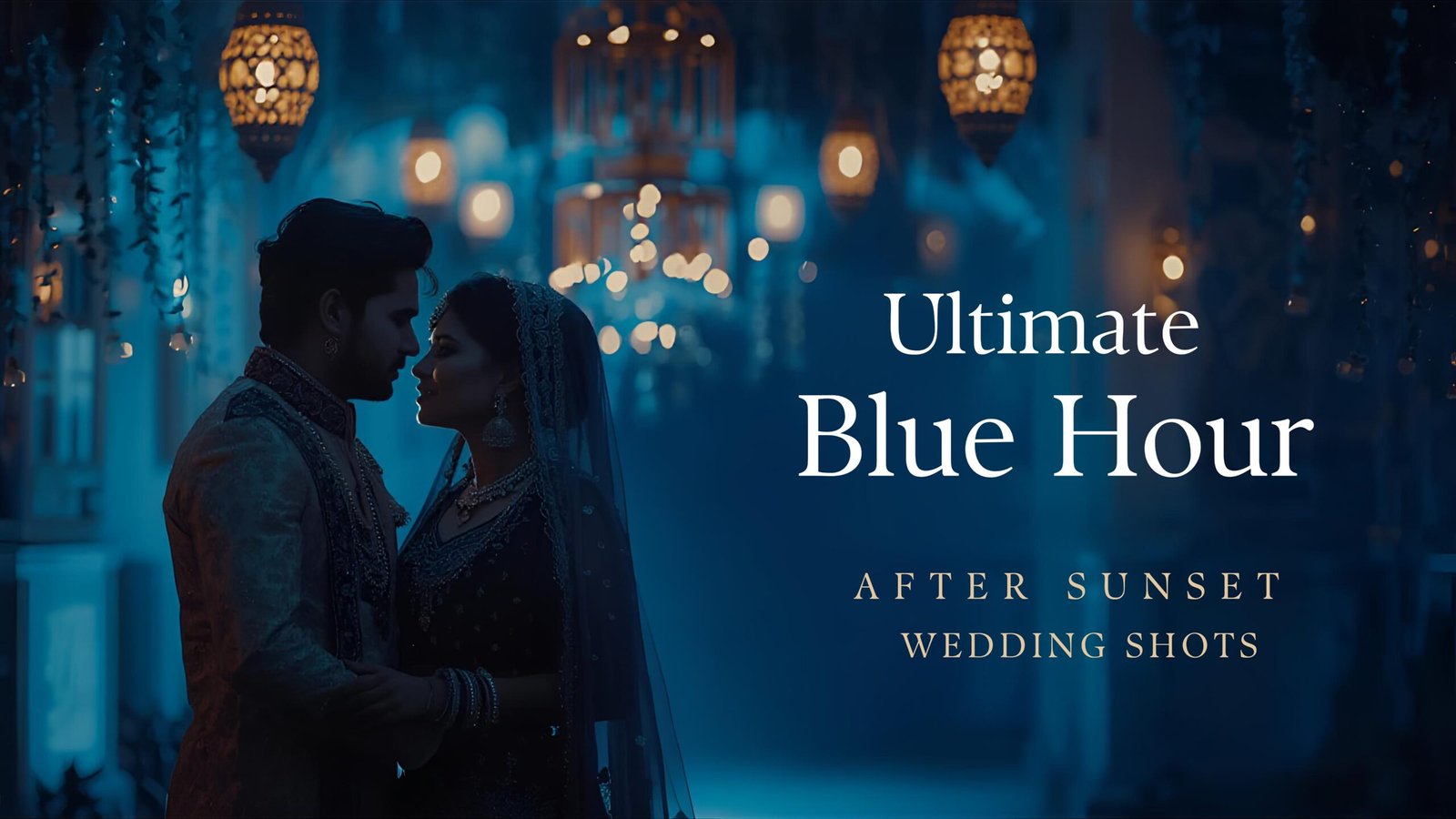
Bridal preparation coverage requires female presence in most Pakistani weddings. The bride getting dressed, makeup application, and emotional moments with female family members happen in spaces where male photographers face restrictions or create discomfort. Professional female photographers document these intimate hours while respecting cultural boundaries and privacy concerns.
Women-only ceremony access during mehndi, dholki, and mayun functions makes female coverage essential rather than optional. These events often exclude male guests entirely, meaning male photographers miss entire ceremonies. Having a female photographer ensures complete documentation without cultural friction. Mastering bridal poses requires both technical skill and interpersonal comfort that comes naturally during female-to-female interactions.
Traditional ceremony coverage with respectful positioning shows professional understanding of Pakistani wedding customs. Where should photographers stand during nikah? How close is appropriate during emotional family moments? Which angles capture ceremonies without being intrusive? Professional female photographers navigate these cultural considerations while maintaining technical excellence.
Multi-day wedding expertise separates professionals from occasional photographers. Coordinating coverage across mehndi, barat, and walima requires understanding how each event flows, which moments matter most, and how to maintain energy and focus across multiple long days. This experience comes from shooting dozens of complete weddings, not just single events.
Equipment standards for professional female photographers
Equipment quality directly impacts result consistency, and professional female photographers maintain the same technical standards as any serious photographer regardless of gender.
Camera body requirements for professional work center on full-frame sensors that handle low light better and produce higher quality files. Crop sensor cameras work for hobbyists but limit capability in challenging venues. Professional photographers invest in bodies that perform reliably across all conditions.
Lens collection essentials include wide-angle lenses for venue shots and large groups, standard zoom lenses (24-70mm) for versatility, telephoto lenses for candid moments and ceremony coverage, and fast prime lenses for low-light situations and beautiful portraits. This collection costs significant money but enables photographers to handle any situation.
Lighting equipment adapts to venues with poor natural light. Speedlights for mobile lighting, continuous lights for video work, reflectors and diffusers for shaping light, and knowledge of how to use all of it separates professionals from photographers who only work in good natural light. Ask about their lighting approach—professionals explain it clearly.
Backup systems prevent disasters when equipment fails. Redundant camera bodies ensure shoots continue if one fails, extra batteries and memory cards prevent interruptions, backup lighting if primary systems malfunction, and offsite backup storage protects client files from data loss. Equipment quality reflected in work from top photographers demonstrates what professional standards produce.
Affordable photographers who maintain professional standards
The sweet spot exists between amateur bottom-basement pricing and unjustifiably inflated rates: affordable photographers who maintain professional standards through smart business practices rather than compromising quality.
Efficient workflows reduce time costs passed to clients. Streamlined editing processes using professional software and presets, organized file management preventing wasted time, efficient shooting that captures needed shots without unnecessary coverage, and smart scheduling maximizing productivity all allow professionals to price competitively without sacrificing quality.
Lean business operations without luxury studio overhead keep costs reasonable. Operating from home offices rather than expensive studios, meeting clients at coffee shops instead of fancy showrooms, minimal staff overhead by handling most work personally, and focused marketing spending on proven channels all reduce operating costs that otherwise inflate prices.
Package customization allows clients to pay for what they need rather than bundled services they don’t want. Digital-only delivery saves costs compared to albums and prints, shorter coverage hours for smaller events, fewer edited images for streamlined deliverables, and modular add-ons clients purchase if desired all create flexibility that improves affordability. Fair pricing structures from established professionals demonstrate how quality and affordability coexist through honest business practices.
Your path to booking professional female photographers at honest prices
Finding professional female photographers who deliver technical excellence at fair market rates requires systematic evaluation rather than assumptions based on gender or marketing.
Technical credentials verification through portfolio analysis, equipment discussion, and reference checks separates professionals from pretenders. Don’t accept surface-level Instagram feeds as proof of capability—dig deeper into complete client galleries and specific technical approaches.
Business practices evaluation through contract review, insurance verification, and backup system confirmation reveals operational professionalism that protects your investment. Any photographer unwilling to discuss these details openly should raise concerns regardless of how good their portfolio looks.
Cultural understanding combined with technical excellence creates ideal photographers for Karachi’s diverse client needs. The best professional female photographers respect cultural requirements while maintaining market-rate pricing that reflects their skills rather than exploiting access advantages.
Start by reviewing work from established professional photographers to calibrate your quality expectations. Compare pricing across multiple professionals of similar experience levels. Verify credentials through references and portfolio deep-dives. Then contact professional photography services for transparent consultations that clarify exactly what you’re getting for your investment.
Quality female photographers exist at every price point in Karachi’s market. Your job is distinguishing genuine professionals operating at fair rates from both amateurs undercharging and opportunists overcharging. Use the verification methods in this guide to make that distinction confidently, and book photographers who deliver results worth every rupee you invest.
Explore comprehensive photography services that meet both cultural needs and professional standards without premium markups or specialty pricing. Professional quality and honest pricing aren’t mutually exclusive—they’re the foundation of sustainable photography businesses that serve Karachi’s diverse client base with integrity.
FAQ’s
What makes female photographers in Karachi truly professional?
Professional female photographers in Karachi demonstrate technical mastery through consistent portfolios, use full-frame cameras with professional lenses, maintain backup equipment systems, provide written contracts with clear deliverables, and show years of verifiable experience across diverse events and lighting conditions.
Do professional female photographers charge more than male photographers in Karachi
No, professional female photographers in Karachi charge comparable market rates to male photographers of equivalent experience. Honest pricing reflects technical skills, equipment quality, and deliverables—not gender. Specialty premiums are only justified for women-only events requiring exclusive female access
Why do clients prefer female photographers for wedding photography in Karachi?
Clients choose female photographers for wedding photography because they access women-only ceremonies like mehndi and bridal preparation, provide cultural comfort during intimate moments, respect modesty preferences in conservative households, and understand female-centric styling and posing while maintaining professional standards
How can I verify if a female photographer in Karachi is genuinely professional?
Verify professionalism by reviewing complete event galleries (not just highlights), asking about backup equipment and insurance coverage, checking written contracts with specific deliverables, contacting recent client references, confirming their camera and lighting equipment specifications, and assessing portfolio consistency across different venues
What should affordable photographers in Karachi include in their pricing?
Affordable photographers in Karachi should provide transparent pricing that specifies coverage hours, number of edited images, delivery timeline and format, travel charges if applicable, usage rights, backup photographer plans, and any additional fees. Professional photographers itemize everything upfront without hidden costs